Don’t judge by the package, people say. However, if we must put this saying in the context of the modern times, then do judge by the package. The manufacture of packaging affects the environment – a lot of valuable resources like water and energy are used and greenhouse emissions are generated. In addition, plastic packaging waste is one of the main reasons for the pollution in ocean. There are so many reasons to give up packaging, right? However, this is impossible at this point. At least in the food industry. Package has a vital role for ensuring the products meet all food safety standards. In addition, it gives essential information to consumers about the product. Yes, package is necessary. So, what is the best solution, you would ask. Well, we should rely on packages with a story, packages that have past, but also that have future.
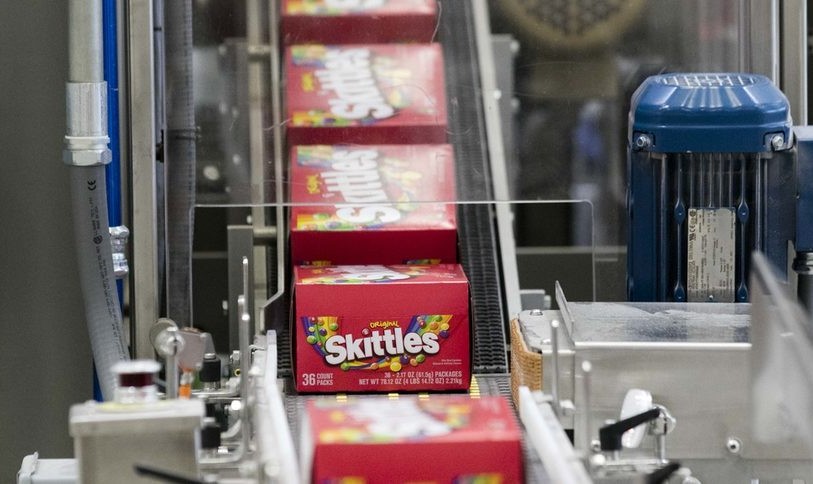
Mars, Inc. is one of the largest food producers in the world, whose portfolio includes iconic brands such as M&M’s, Snickers, Twix, Orbit, Whiskas, Pedigree, etc. The company is now rethinking its packaging practices and is entirely changing its business models in this regard, so that packaging could become part of a circular economy. The food producer launched a Sustainable Packaging Plan, which sets concrete goals. By 2025, the company is planning to achieve 100% reusable, recyclable or compostable plastic packaging, 25% reduction in virgin plastic use, 30% average recycled content in its plastic packaging and to eliminate PVC, which was completed in 2020. These policies are a key element of the large-scale Sustainable in a Generation Plan of the company, within which it is investing 1 billion dollars in the next few years to tackle global problems.
Mars is focusing its efforts on three main directions – removing packaging it doesn’t need, exploring reuse models, redesigning what it doesn’t need for circular economy, and investing to close the packaging waste loop with recycling systems that work for business and communities. It sounds simple, but it isn’t at all. To successfully deliver the redesigned packaging portfolio, the company has to cope with a very complex landscape. How different packaging materials and formats work within recycling systems varies from market to market. This means that different solutions need to be tested in different geographies to understand how various recycling systems handle these new packaging designs. All of this takes significant time and investment, as well as a thoughtful, multi-stakeholder approach with other industry leaders, innovators, and non-profit partners.
Despite all the challenges, Mars never gives up on its commitment regarding packaging and has achieved results, showcasing that it is on the right pathway to success. Today, 26% of the food producer’s plastic packaging is recyclable. The company is rethinking the design of its packaging and now consumers around the world can buy some of their favourite brands in more sustainable formats. For example, Mars removed the polystyrene window from BEN’S ORIGINAL™ rice cartons, making them fully recyclable cardboard, in 13 markets. In France, the company launched a M&M’s® pouch which was designed to be recyclable by reducing the multiple layers of packaging required for production to one single layer. Mars is looking for ways to replace plastic with other materials like paper that are more recyclable, so in 2019 it changed the MALTESERS® Truffle Treat package on the U.K. market, replacing the plastic wrapper and carton tray with a cardboard solution that is fully recyclable.
The company uses the power of science to find more sustainable packaging options. The Mars Advanced Research Institute (MARI) is exploring the development of new materials that ensure food safety and functionality for consumers, while also enabling a circular economy. This includes research into biodegradable and compostable packaging materials within the food producer’s portfolio, such as the compostable wrapper for vegan GALAXY® bars launched in the U.K.
Making the packaging more sustainable is a long process, involving many different parties, including consumers. That is why Mars is investing a lot of efforts and resources in educational programs on recycling in different communities around the world. The only way to close the loop is to involve people to be part of the solution. So, next time you enjoy your favourite chocolate bar or candy, think about the packaging. A single decision of yours, such as whether to recycle or not, can have a big impact, much bigger than you can image.
More
www.dnevnik.bg