As part of the project “Chair Lakes: Biodiversity Capsules in the Rhodopes,” scientists share practical advice tailored to the country’s geographic specifics
On the occasion of Earth Day, Devin JSC and the Bulgarian Biodiversity Foundation (BBF) have developed the first-of-its-kind practical guide in Bulgaria for the restoration and conservation of peatlands—among the country’s most valuable and vulnerable ecosystems.
The guide summarizes the results of research conducted במסגרת the three-year joint project “Chair Lakes: Biodiversity Capsules in the Rhodopes” and lays the groundwork for a systematic approach to protecting these fragile ecosystems in Bulgaria. It is available to view online.
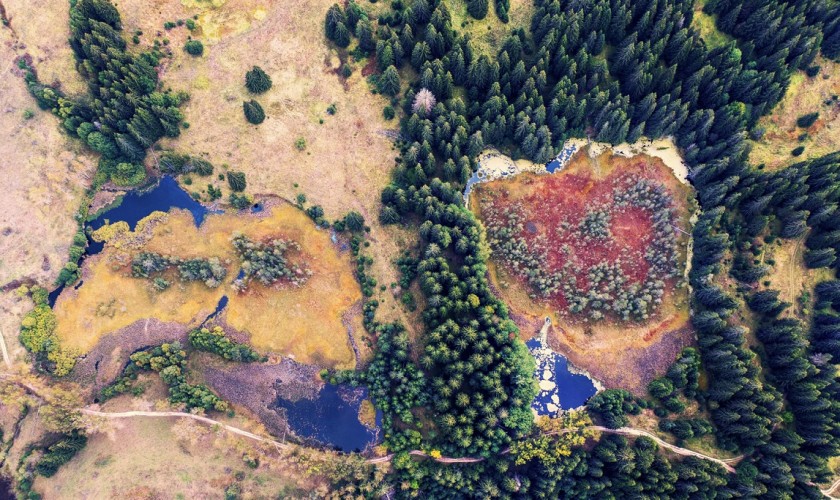
Peatlands are wetlands that store significant amounts of carbon and play a key role in combating climate change. They function as natural carbon “reservoirs,” regulate water balance, and support unique biodiversity.
The publication includes field research methodologies, analysis of hydrological processes, guidelines for limiting degradation, and concrete steps for restoring damaged peatlands.
Adaptation is necessary because peatlands in Bulgaria differ significantly from those in Northern and Central Europe. They are rare, small in area, and located primarily in high mountain regions—Rila, Pirin, Vitosha, the Balkan Mountains, and the Western Rhodopes. Some of them, such as those in the Chair Lakes area in the Rhodopes, form unique “floating peat islands” on the water’s surface. Their total area in Bulgaria is less than 0.1% of the country’s territory, making them extremely vulnerable.
Due to the warmer climate and geographic specifics, experts from the Biodiversity Foundation cannot directly apply the scientific work of their European counterparts. Therefore, in 2024, the foundation’s team, supported by Devin, launched scientific activities in the Chair Lakes area, building upon fragmented and outdated data. This makes the creation of a Bulgarian guide particularly significant, as it highlights the specific characteristics of some of the rarest types of peatlands found in the country.

“At DEVIN, we have always worked with nature and people in mind—because we believe that businesses have a responsibility to give back to the environment. Supporting scientific research and developing this guide is our way of contributing to a better understanding and protection of peatlands—some of the most valuable and vulnerable ecosystems in Bulgaria,” said Petya Manastirska, Sustainable Development and Quality Manager at Devin JSC.
“Peatlands in Bulgaria are little known but extremely valuable. They require a specific approach tailored to local conditions. This guide brings together expertise that has so far been lacking in a systematic form and will support both specialists and institutions,” said Rumyana Ivanova from BBF.
With the publication of the guide, DEVIN and BBF are laying the foundation for more effective protection and restoration of these key ecosystems, as part of broader efforts for the sustainable management of natural resources in Bulgaria.
www.devin-bg.com